

Dhaka Dyehouses Go Green: Blockchain Water Credits Power New Recycling Pilot
.webp)
Share Post
A Bold Step toward Zero Liquid Discharge in Bangladesh
Bangladesh’s textile heartland is taking a decisive step toward sustainable manufacturing. In Dhaka, a new pilot project is targeting dyehouses with an ambitious goal: combine advanced water recycling technology with innovative finance to unlock large-scale investment in cleaner production.
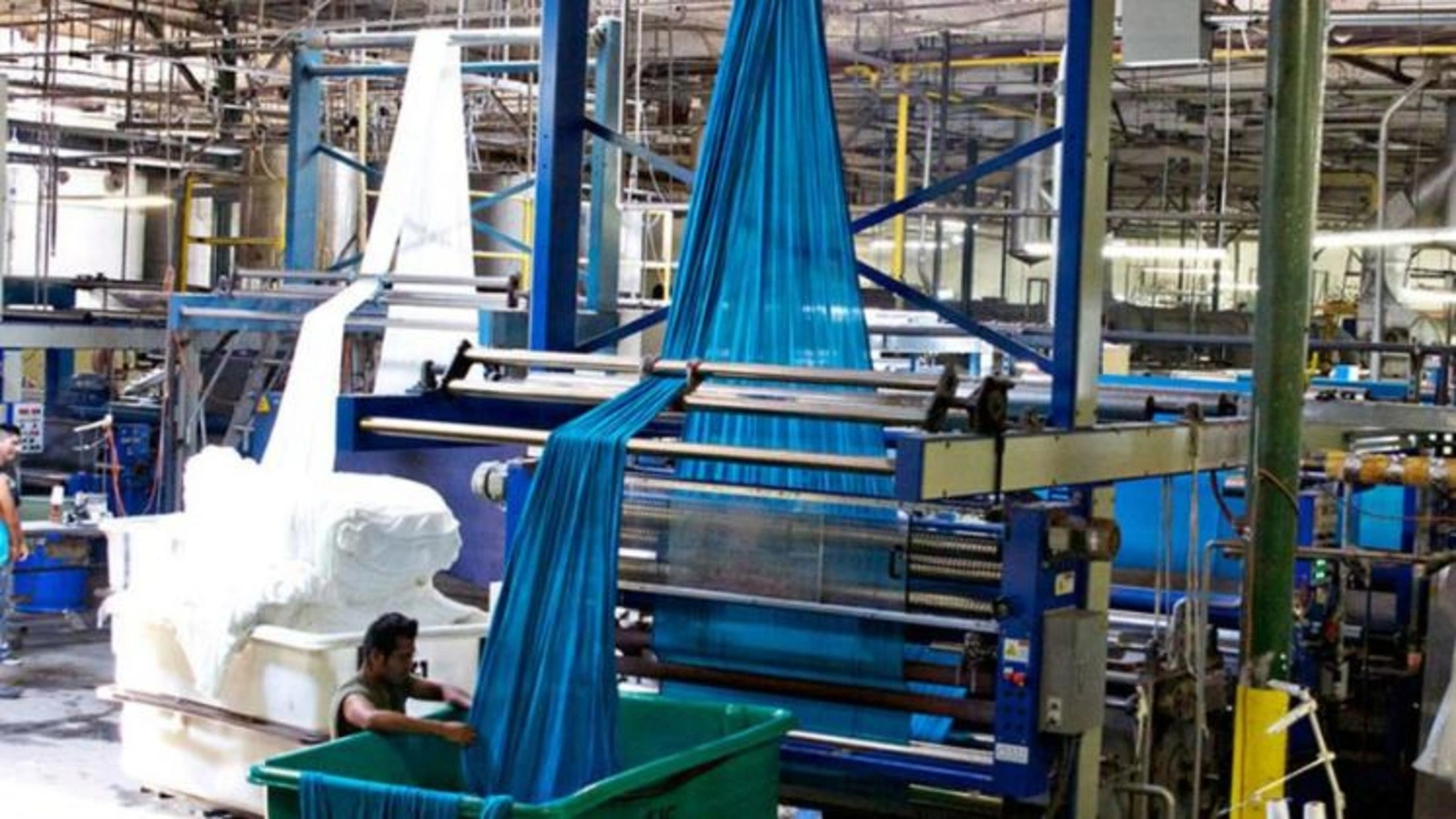
Backed by the UK and Canada funded Sustainable Manufacturing and Environmental Pollution (SMEP) programme, the initiative brings together Solidaridad Network Asia and Dutch impact investor QStone Capital. At its core is a pilot-scale treatment plant installed at Zaber & Zubair fabrics Ltd, a vertically integrated textile mill in Dhaka.
The project aims to demonstrate how Zero Liquid Discharge (ZLD) systems designed to recycle and reuse wastewater instead of releasing it can become financially viable for factories that often struggle with high upfront costs.
Technology Meets Finance: The Water Credit Model
What makes this pilot groundbreaking is not just the engineering but the economics. Alongside high-recycling wastewater treatment technology, the project introduces a blockchain-backed “water credit” system intended to attract climate and sustainability finance.
Here’s how the model works:
- High-recycling ZLD technology reduces freshwater intake and eliminates wastewater discharge.
- Blockchain-tracked water credits quantify and verify water savings.
- Tradable credits create a financial return linked to environmental performance.
- Blended finance mechanisms aim to draw in private and institutional investors.
The ambition is bold: channel hundreds of millions of dollars annually into Bangladesh’s textile sector to support water stewardship and pollution control. For a country where textiles drive export earnings but face mounting environmental scrutiny, this model could redefine how sustainability is funded.
A Blueprint for Cleaner Textile Production
Dhaka’s dyeing and finishing units are often cited as major contributors to industrial water pollution. Traditional effluent treatment plants reduce contamination but still discharge treated water into nearby rivers. ZLD systems, by contrast, recycle nearly all wastewater minimizing environmental impact and freshwater dependency. The SMEP-backed pilot is designed as proof of concept. If successful, it could:
- Improve compliance with international environmental standards
- Strengthen Bangladesh’s position as a responsible sourcing hub
- Reduce pressure on local water bodies
- Create a scalable financial pathway for green industrial upgrades
By linking measurable environmental outcomes with transparent digital verification, the initiative aims to build investor confidence while supporting factory-level transformation.
For Bangladesh’s textile industry, the message is clear: sustainability is no longer just a compliance issue it’s a financial opportunity.
11:35 AM, Feb 26
.webp)
.webp)

Industry Update
1.webp)

1.webp)


1.webp)
1.webp)

1.webp)

1.webp)
1.webp)

1.webp)
1.webp)
1.webp)


1.webp)

1.webp)
1.webp)


1.webp)


1.webp)


1.webp)
Punjab Eyes Green Transformation of Textile Processing Clusters to Attract Global Brands...view more


1.webp)

1.webp)
1.webp)
1.webp)
1.webp)


1.webp)
1.webp)
1.webp)


1.webp)
1.webp)


1.webp)

1.webp)
1.webp)


1.webp)

1.webp)


1.webp)


1.webp)
1.webp)
1.webp)


Kolkata Set to Become Textile Sourcing Hub as YARNEX and TEXINDIA Return in January 2026...view more
1.webp)
1.webp)


1.webp)


1.webp)

1.webp)

1.webp)
1.webp)
1.webp)
1.webp)


1.webp)

1.webp)


1.webp)

1.webp)


1.webp)



1.webp)


1.webp)


1.webp)
1.webp)
1.webp)


1.webp)
1.webp)

1.webp)

.webp)



1.webp)


1.webp)



1.webp)






1.webp)

1.webp)





.webp)


.png)


.jpg)


1.jpeg)
